When choosing laminate flooring, we often focus primarily on appearance—color, texture, or abrasion resistance class. However, a key element that largely determines the floor’s durability, comfort, and acoustics is the underlay. It is responsible for the stability of the entire structure, sound dampening, thermal insulation, and moisture protection.
What are the benefits of a well-chosen underlay?
A good underlay is an investment that pays off in many ways:
Noise reduction – the underlay dampens the sound of footsteps and sound transmission between floors.
Moisture protection – particularly important when installing over concrete subfloors or in rooms subject to temperature fluctuations.
Leveling out subfloor irregularities – even slight differences in level can cause the panels to creak or wear out faster.
Improved thermal insulation – especially important when installing panels on the ground floor or above unheated spaces.
Protection of the click system – thanks to its cushioning effect, the underlay prevents excessive strain on the panel locking mechanisms.
Types of underlays for laminate flooring
Several types of underlays are available on the market, each with slightly different properties. Here are the most popular options:
Polyethylene (PE) foam underlays – lightweight, inexpensive, and easy to install. They work well in rooms with low foot traffic.
XPS (extruded polystyrene) underlays – characterized by good thermal insulation and load-bearing capacity. Polyurethane underlays with added minerals (PU+mineral) – a modern solution offering excellent acoustic and durability properties. Ideal for use with vinyl flooring and underfloor heating systems.
Cork underlays – natural and eco-friendly options that provide excellent sound and thermal insulation.
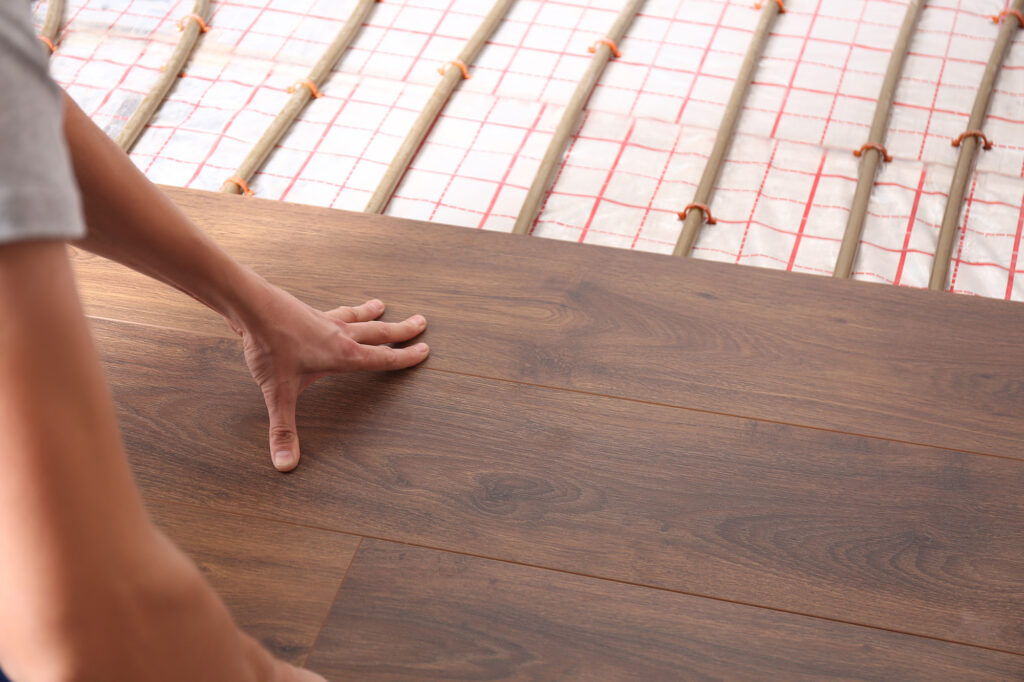
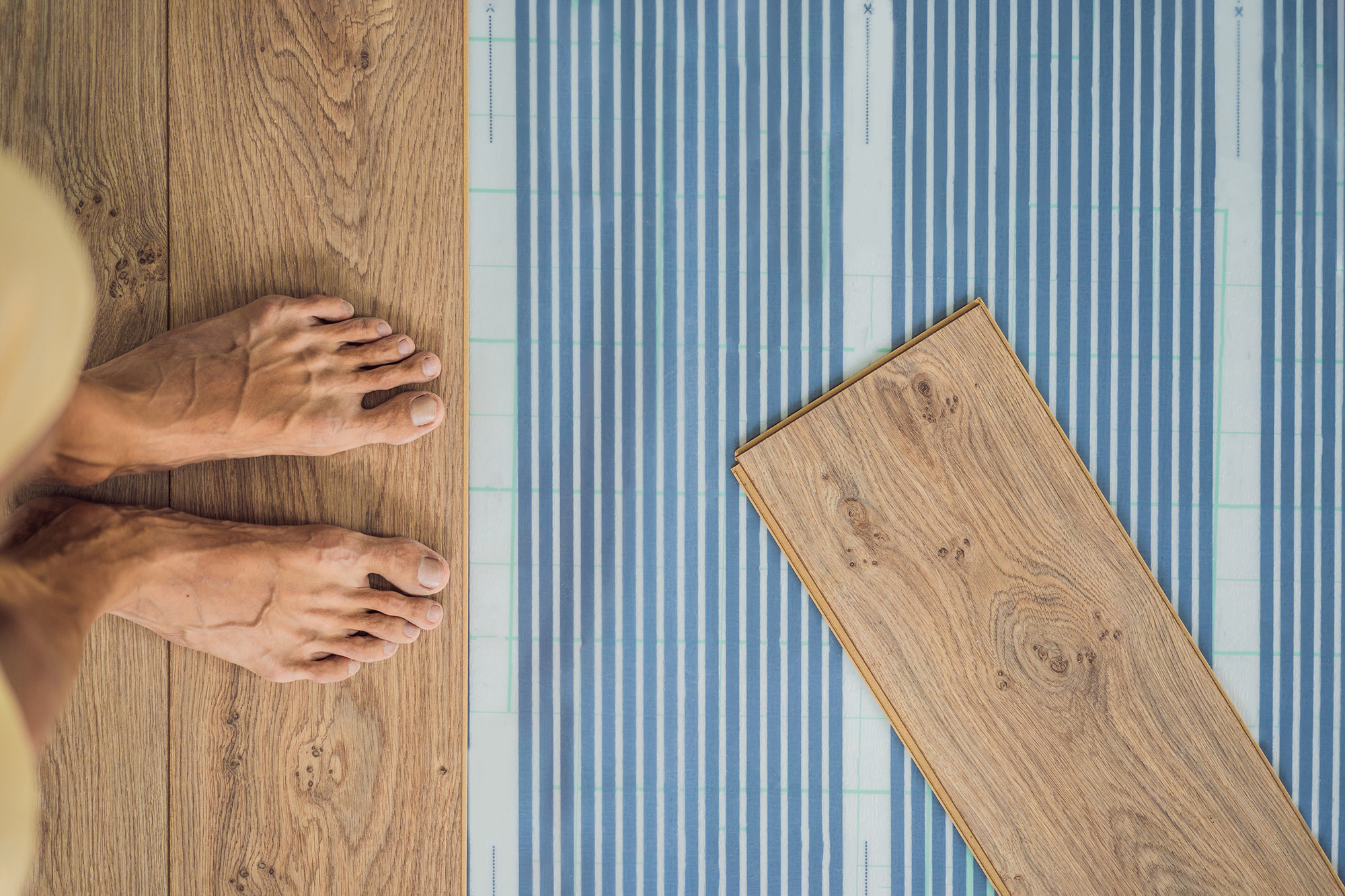
Underlays designed for underfloor heating – thin products with high thermal conductivity that do not impede heat flow.
Why consult an advisor when choosing an underlay?
Selecting the right underlay depends on many factors, such as the type of flooring, the subfloor, the room’s usage intensity, and even the heating system. Instead of making a guess, it is worth consulting one of our advisors, who can help you choose a solution perfectly tailored to your needs. This ensures a trouble-free installation and allows you to enjoy a durable, quiet, and comfortable floor for years to come.